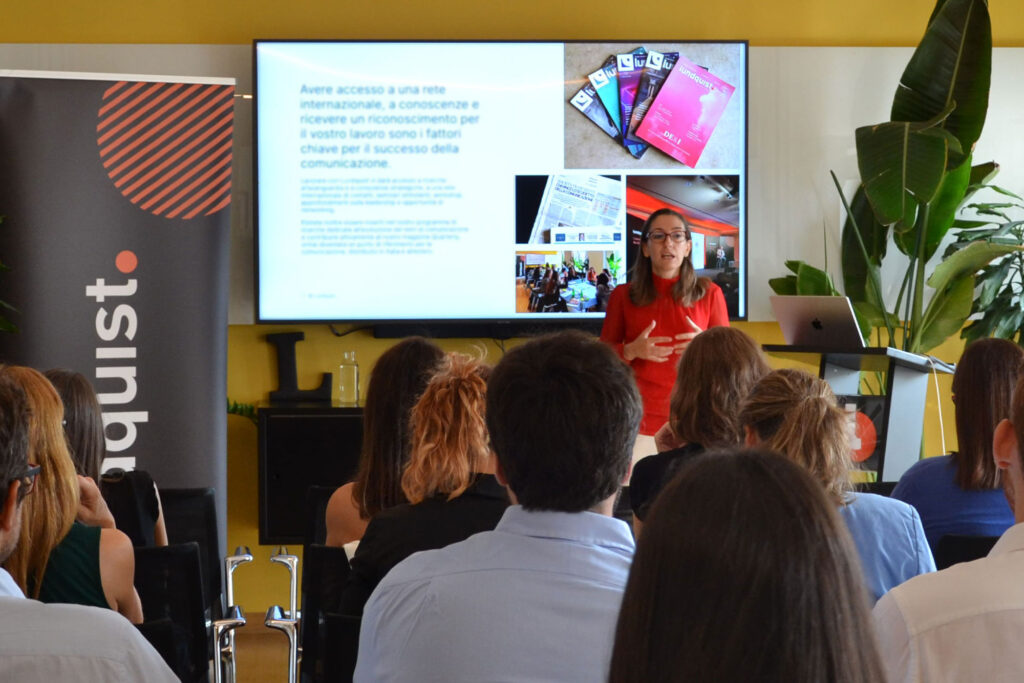
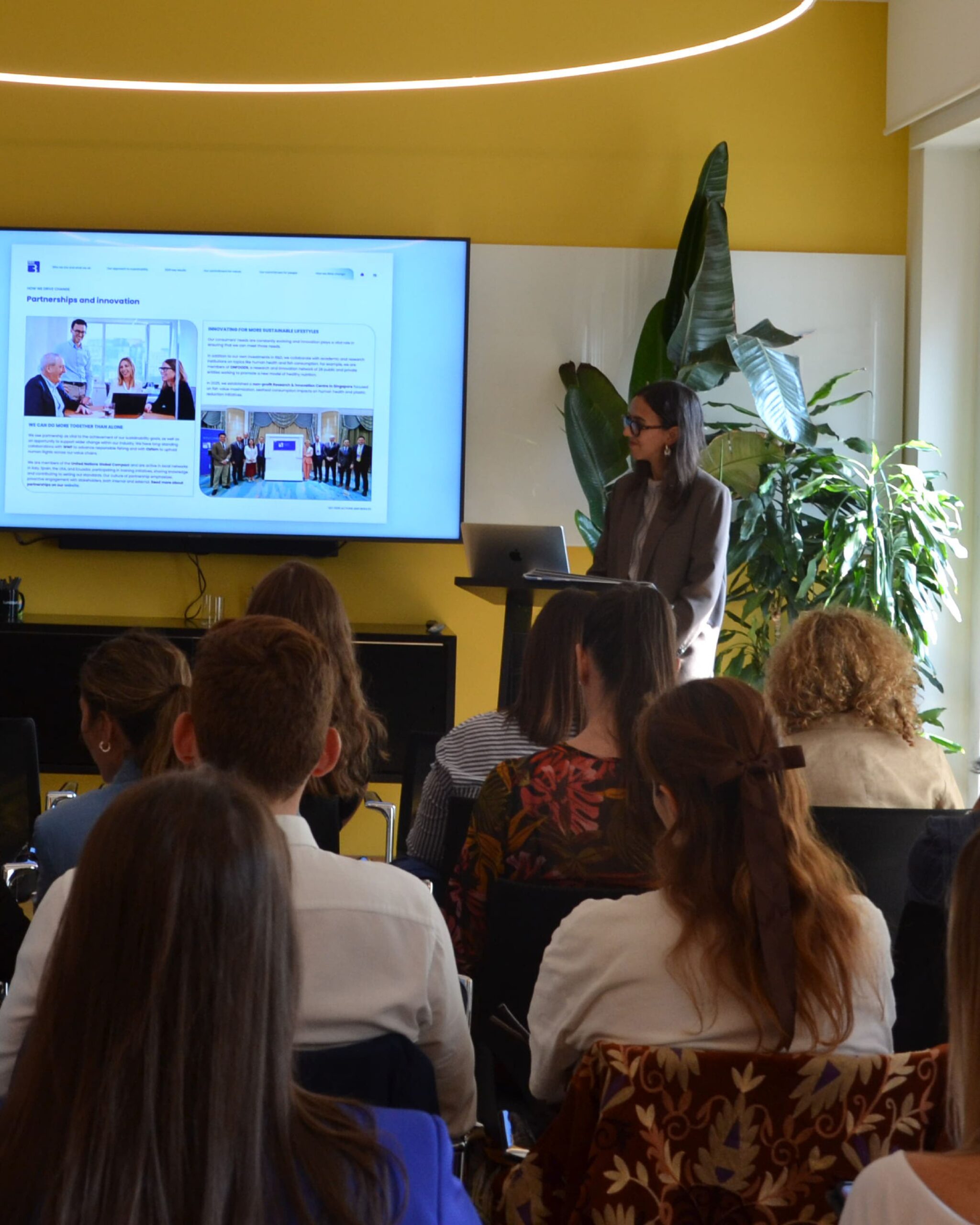
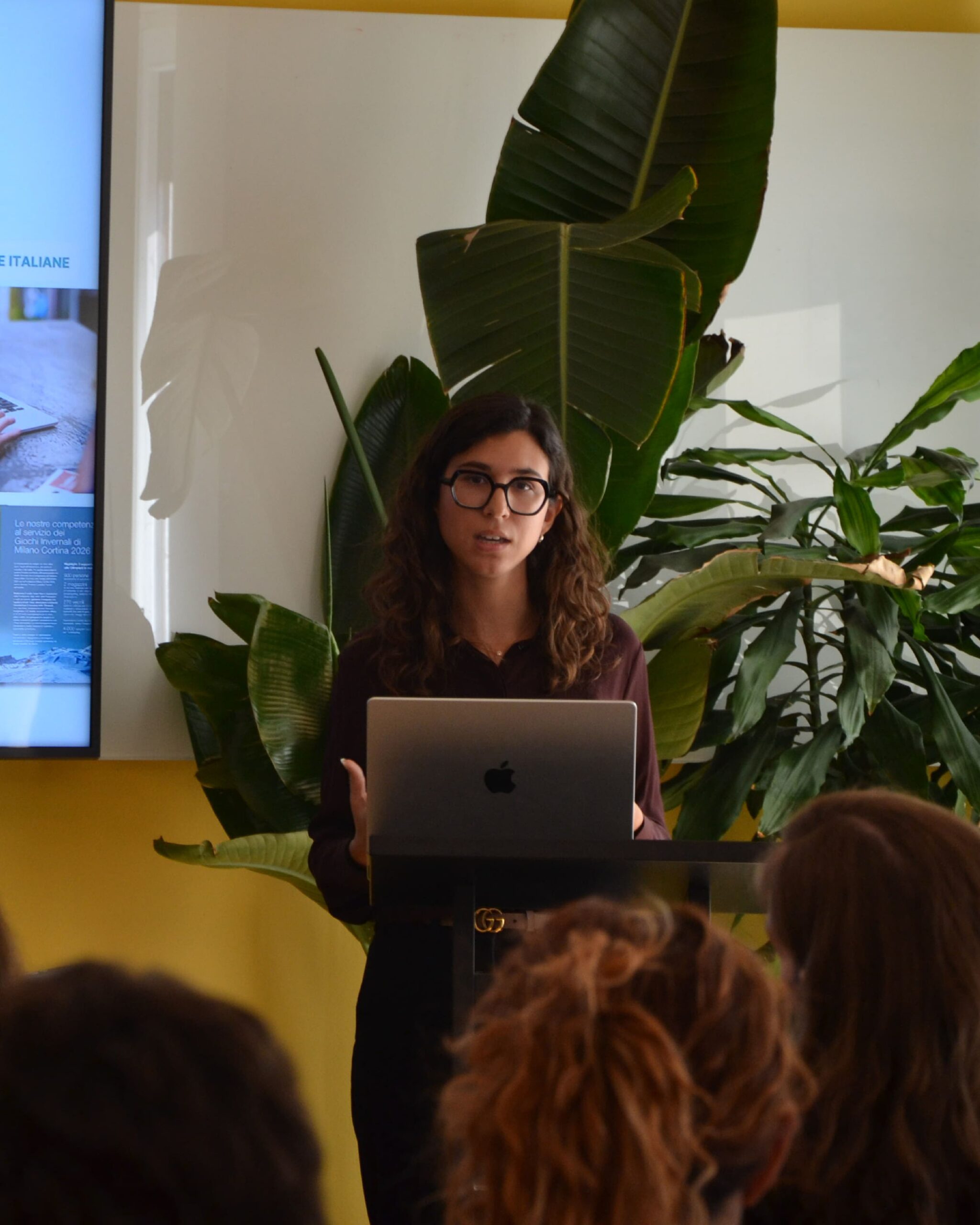
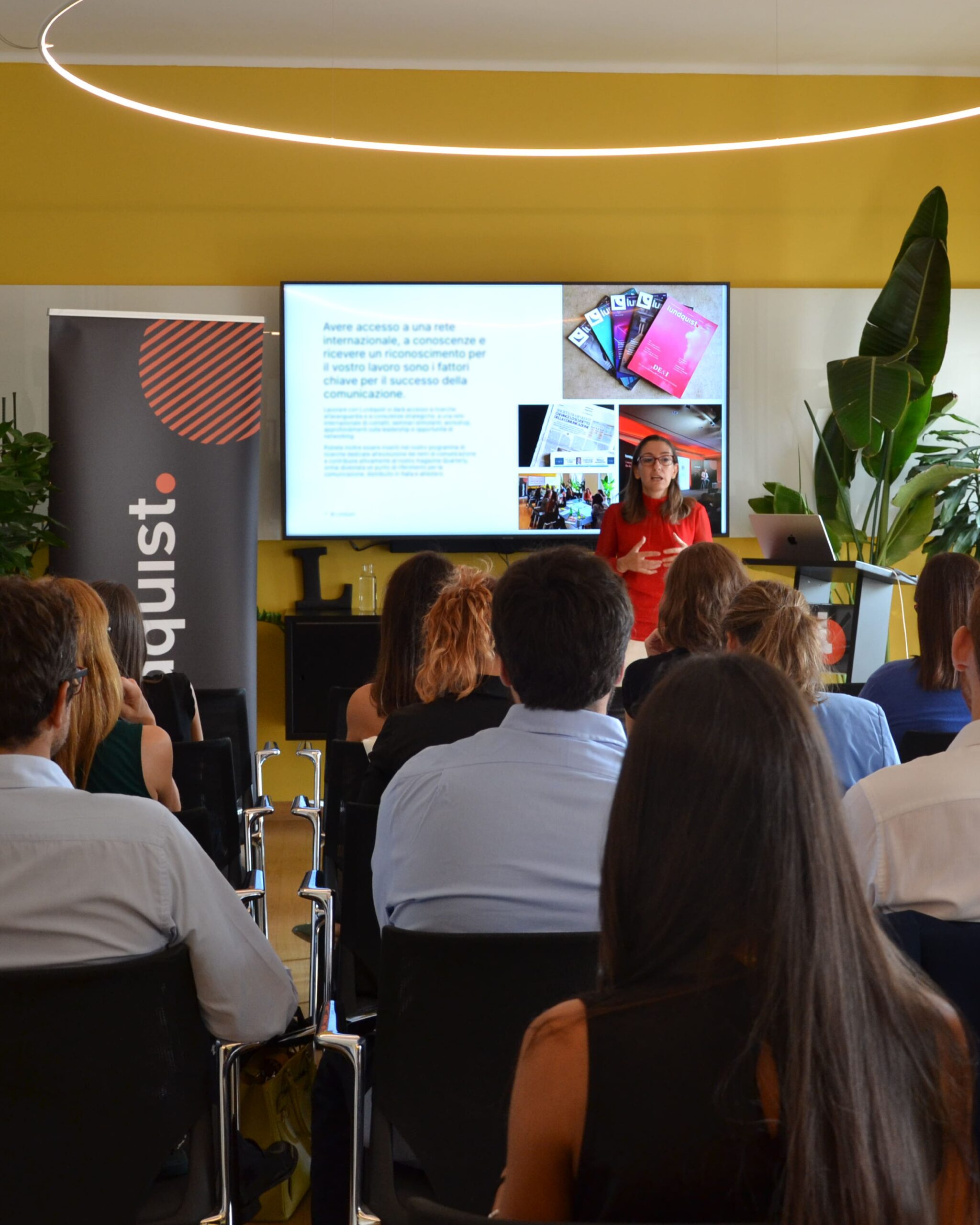
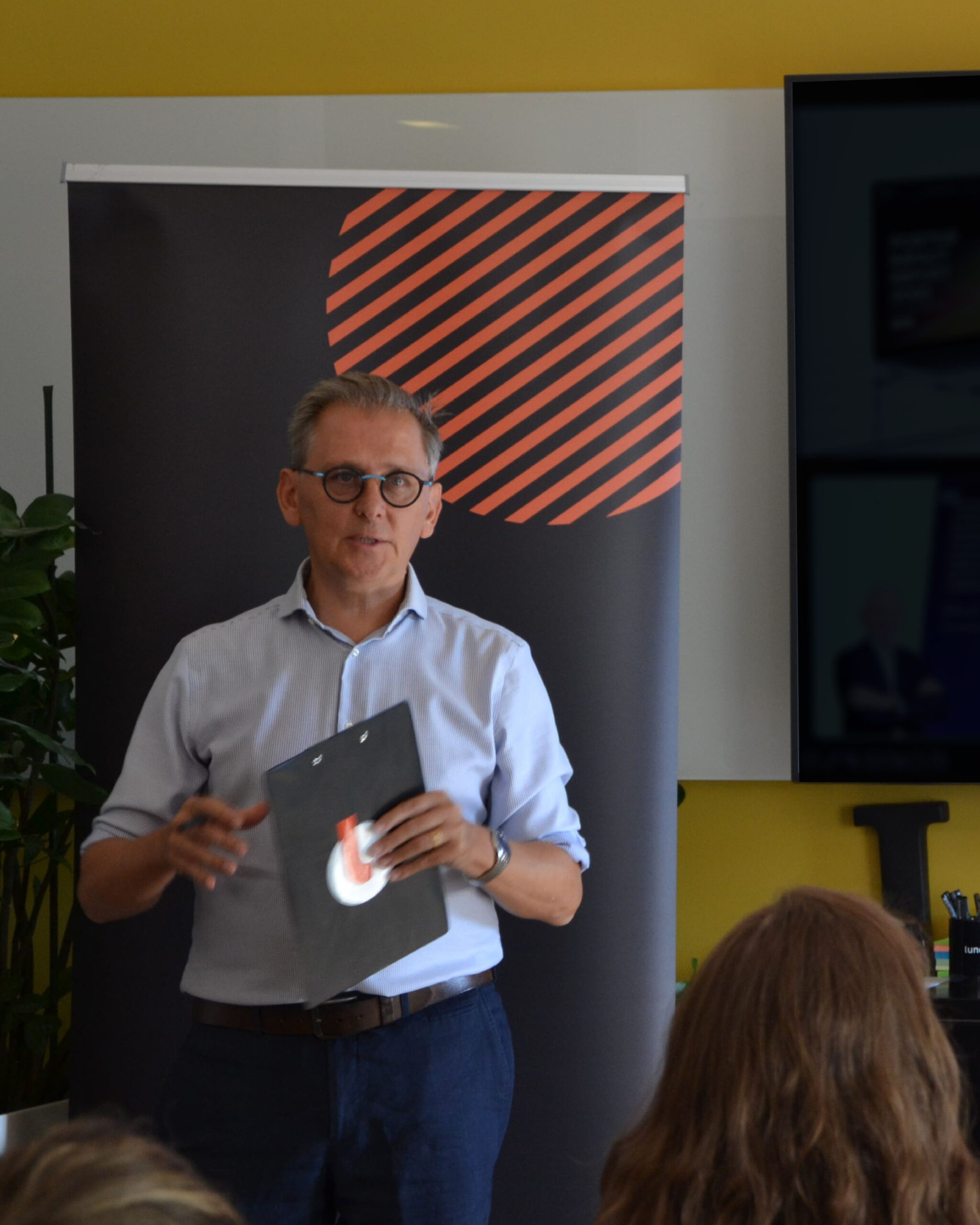
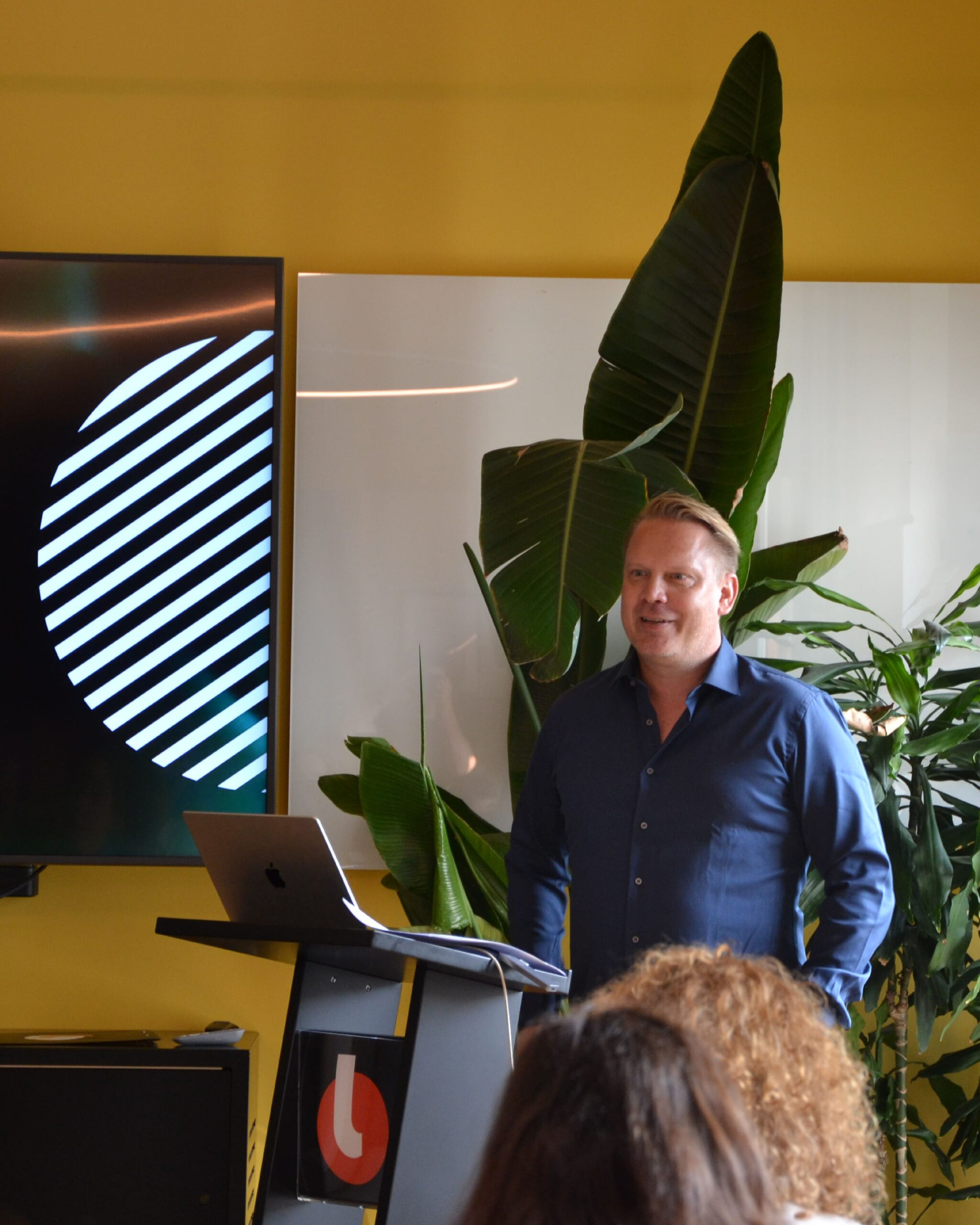
As CSRD requirements make reporting increasingly standardised and readers turn to AI to summarise documents, what are you going to say usefully in an “executive summary”? And how are you going to stay relevant with your sustainability communications? Those were question we addressed at a recent seminar about how to make communication distinctive, useful and effective.
Why spend time producing a summary of a sustainability report when a customer, an employee or an investor can ask AI to do it in seconds? This was one of the questions we put to the room. Our answer: the summary was never the point.
Our view is simple. Once an output is standardised, as sustainability reporting increasingly is under the CSRD, it is only a matter of time before technology produces a summary faster and based on specific input. The real challenge is to go beyond compliance requirements and convey the value of a company’s distinctive approach, its priorities and actions.
“The worst thing you can do is summarise a compliance report. You’re summarising something that has low communicative value.”
James Osborne, Partner, head of sustainability & ESG Lundquist
What we discussed
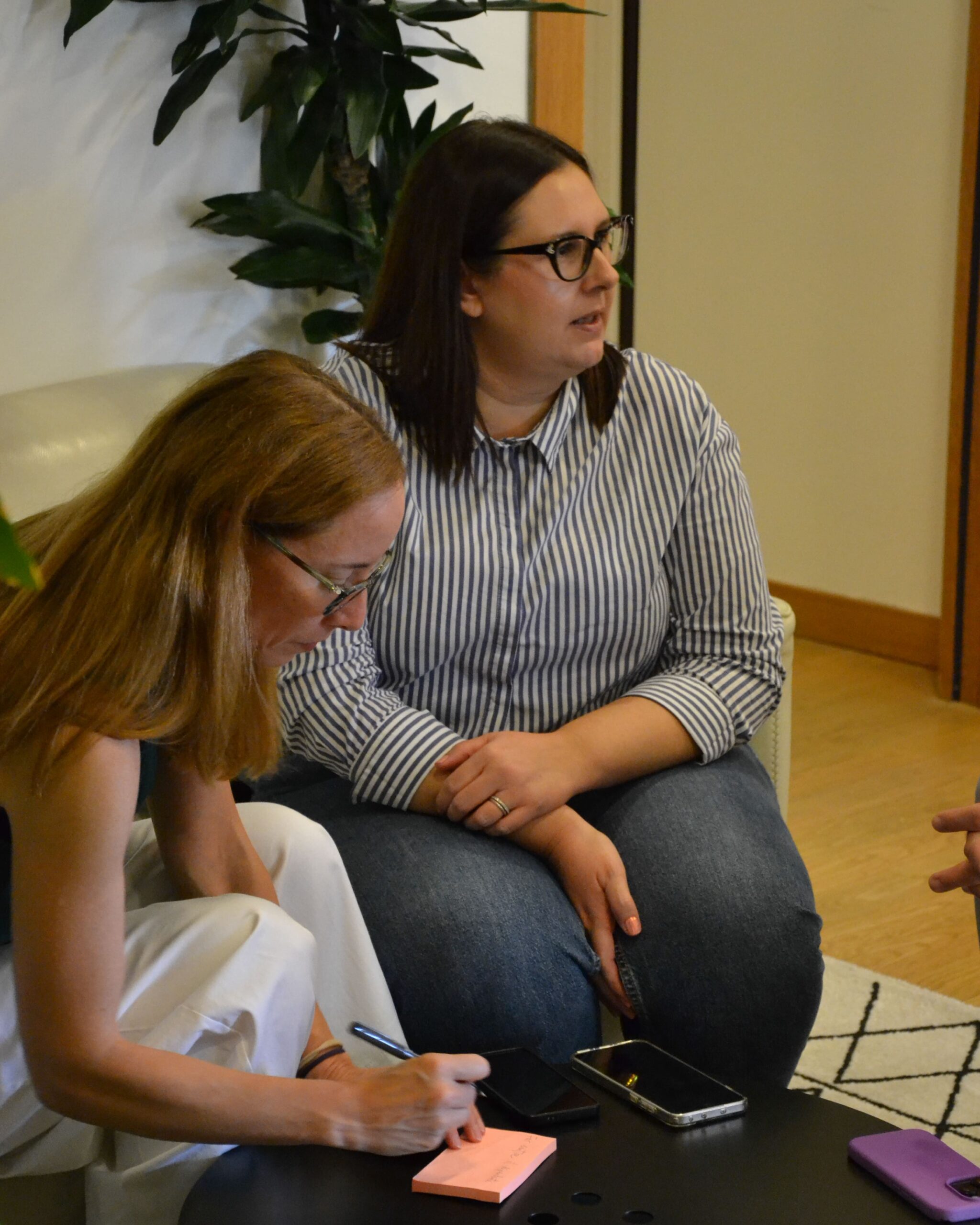
Our seminar gathered more than 20 companies. The conversation covered the challenges they share, the obstacles that get in the way and what makes sustainability content relevant to the people who read it.
One point came up repeatedly: with less time and fewer resources, a document that accompanies the sustainability report has to do more than recap it. It should:
- speak the language of business, not the language of compliance;
- focus on what is useful to the reader, rather than on disclosure for its own sake;
- address specific stakeholder groups, because customers, employees and partners are not looking for the same story.
THE shift is already under way
A year ago we advised companies not to be trapped by compliance reporting. Our study Beyond Compliance Reporting in Italy, which looks at how Italy’s 100 largest listed companies communicate sustainability beyond their legal obligations, suggests many are aiming to do just that. In this year’s edition of the study, we found a 61% increase in the number of companies producing a voluntary report.
The numbers behind the discussion
+61% | increase in companies publishing a voluntary document alongside their annual report |
1 in 5 | of the 100 companies analysed publishes a full thematic report on a specific topic |
100 | of Italy’s largest listed companies analysed |

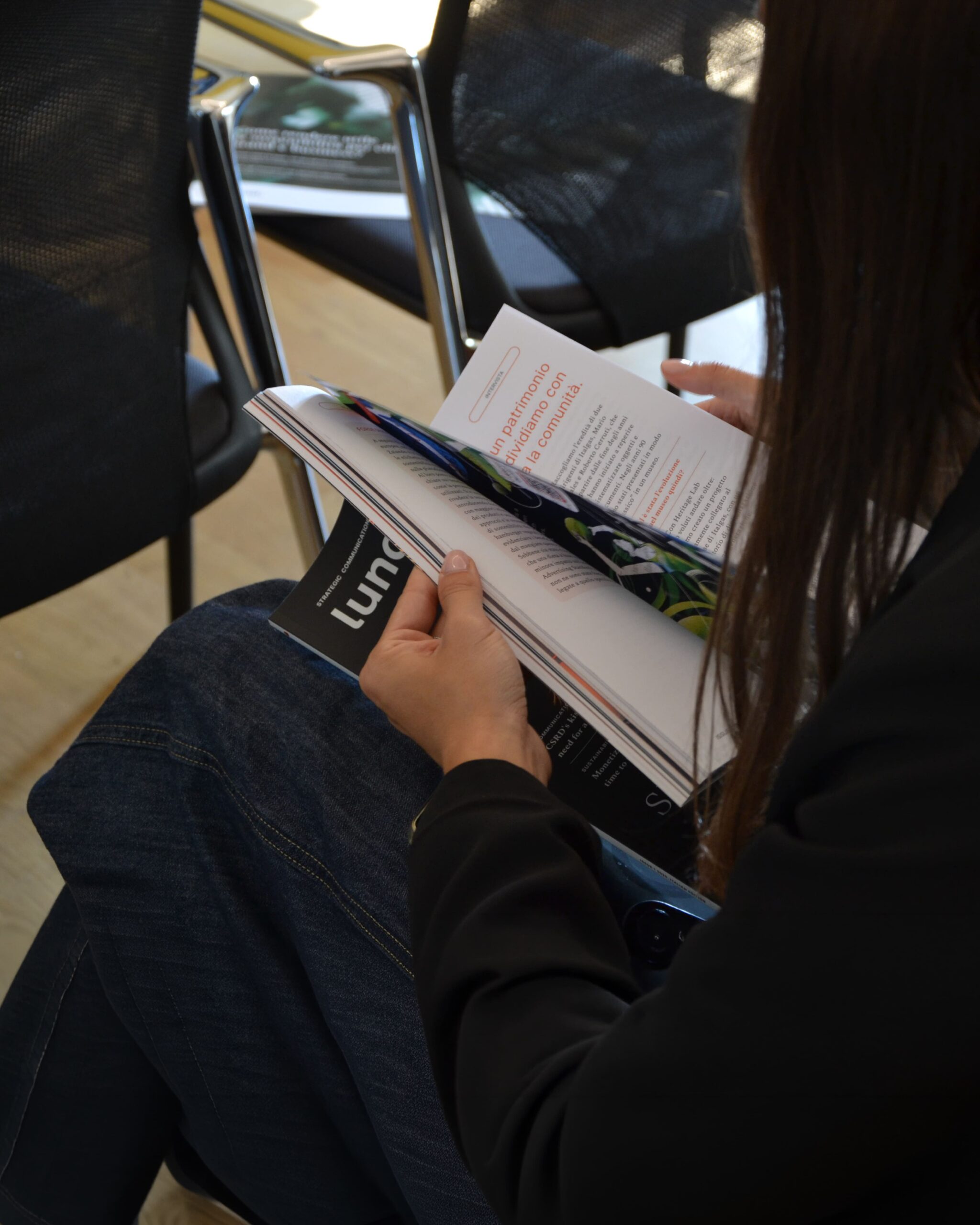
Companies that stood out for us were those that paired their report with a story that is authentic and relevant to each stakeholder group. That is the work we do every day: turning mandatory disclosure into content people actually want to read. Find out more about our approach in From reporting to engagement.
Our study drew four lessons, and they echoed much of what we heard in the room:
- Compliance reporting isn’t enough. No one obliges a company to tell its sustainability story. The question has moved from “what does the regulation say?” to “what matters to our stakeholders?”
- Fewer pages do not mean more clarity. Cutting text achieves little if a number is still just a number. A good summary does not remove content: it adds meaning.
- A report for everyone speaks to no one. Each audience looks for a different story, based on their own needs.
- What matters is not always in the compliance report. Figures describe results but rarely the people behind them. The most effective voluntary documents make room for concrete initiatives and the human side of sustainability.
Want to know more?
Let’s talk about your reporting journey and how we can help you reach your stakeholders.
Contact us
Beatrice Muciaccia, Sustainability & Communication Consultant
beatrice.muciaccia@lundquist.it